What unsatisfactory actually means

Here are the six findings we see most often across Sussex, what happens after an unsatisfactory report, and why the result is best read as a list of jobs rather than a verdict on your property.

An EICR assesses your installation against the current edition of BS 7671 (the wiring regulations), and the overall outcome is either satisfactory or unsatisfactory; inspectors do not use pass or fail. A report is unsatisfactory when it contains at least one C1, C2 or FI observation.

C1 means danger is present and there is an immediate risk. C2 means potentially dangerous: urgent remedial action is required. FI means further investigation is required without delay, used only where the inspector found something they genuinely could not assess on the day.

C3 means improvement recommended. A report containing only C3 observations is still satisfactory (a C3 alone never makes a report unsatisfactory), so a list of C3s is advice worth considering, not work you are compelled to do.
The six findings we see most often

Final coding is always the inspector's judgement on the day, based on what they find in your installation. The notes below describe how these issues are commonly treated, not a guarantee of how yours will be coded.

Missing RCD protection

RCDs cut the power in a fraction of a second when current leaks to earth. Where they are missing, the code depends on what is left unprotected: sockets likely to supply equipment outdoors, or circuits in a bathroom, are weighed differently from a lighting circuit in a dry room. There is no blanket code for this one.

DIY or undocumented alterations

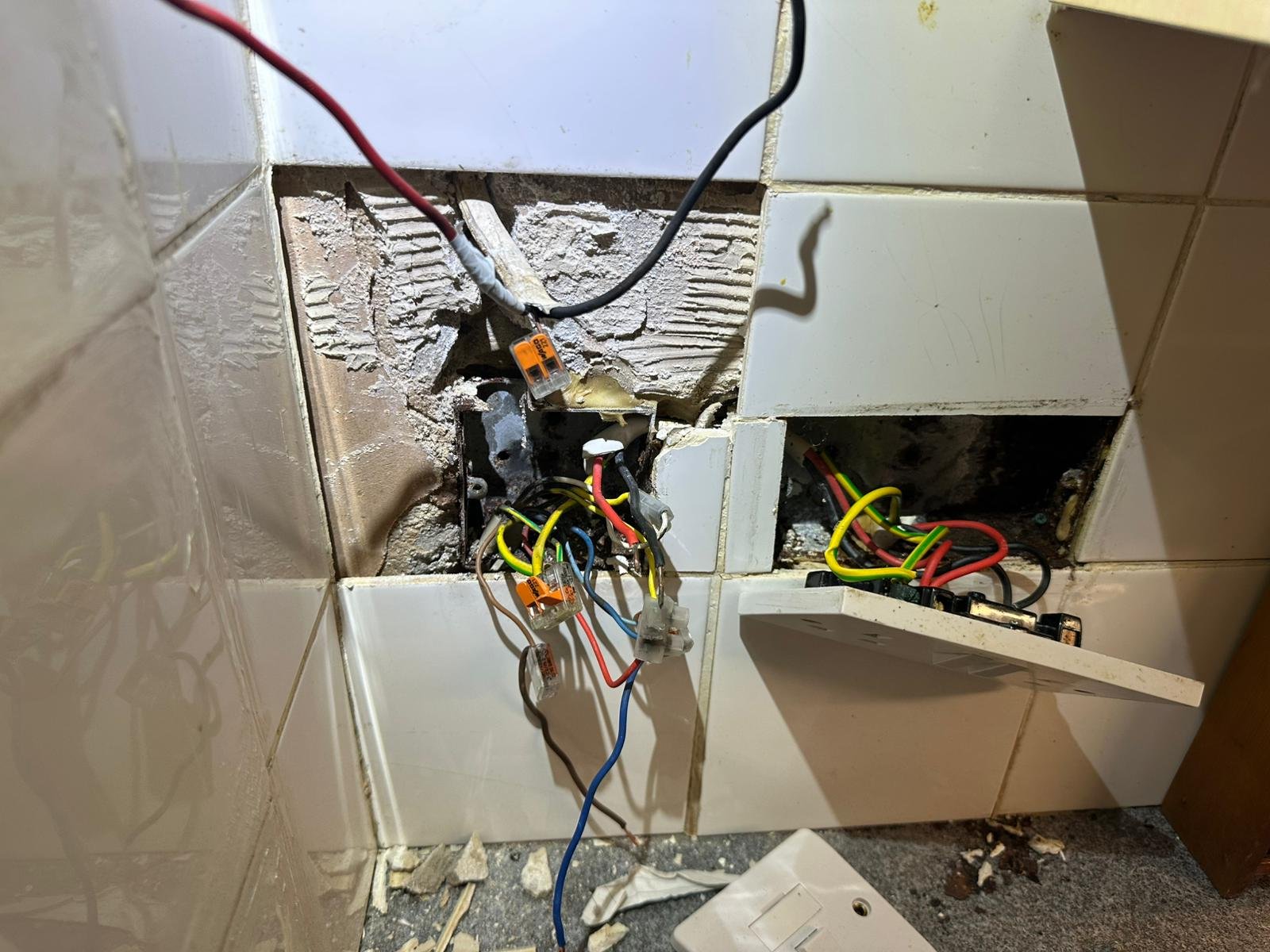
Added spurs, extended circuits and moved sockets with no paperwork are among the most frequent finds. Tidy work that simply lacks documentation is often coded C3, but loose connections, undersized cable or missing earths uncovered in the same alteration would normally attract a C2, or a C1 if there is immediate danger. The coding follows what the inspector finds, not the fact it was DIY.

Damaged or broken accessories

Cracked socket fronts, broken switch plates, damaged pendant fittings. Where the damage leaves live parts accessible to touch, it would normally attract a C1: danger present. Damage that has not yet exposed anything live is often coded C2 or C3 depending on the risk of it getting worse. Either way, the fix is usually a straightforward replacement.

Missing or undersized main protective bonding

Main protective bonding connects incoming gas and water pipework to the earthing system so a fault cannot make the pipes live. Absent bonding is often coded C2, while undersized bonding conductors in older installations are often coded C2 or C3 depending on the wider installation; the inspector judges it in context. It is usually one of the cheaper items on a remedial list.

Ageing rubber- or fabric-insulated wiring

Rubber- and fabric-insulated cables in older properties become brittle with age and heat, and the insulation can crumble where it is disturbed. Condition on the day drives the coding: degraded insulation is often coded C2, and exposed conductors would normally attract a C1. Where the inspector cannot see enough of the wiring to judge it, an FI may be recorded so it can be properly investigated.

Missing covers or blanks exposing live parts

Empty ways in a consumer unit without blanking pieces, missing enclosure covers and open junction boxes all leave live parts within reach of fingers. Genuinely accessible live parts would normally attract a C1, because the danger exists now rather than potentially. It is also one of the fastest findings to fix, often a few minutes of work.

Report come back unsatisfactory?

Most of the findings above are hours of work, not days. Send us the report and we will price each observation before starting.

Get it put right

What happens after an unsatisfactory report

  1. You get an itemised remedial quote

    We price every observation on the report line by line, so you can see what each item costs and decide how to proceed. Nothing is bundled into a vague lump sum, and no work starts until you have agreed the quote.

  2. The remedial work is carried out

    C1 items come first, because the danger is present now. If the property is rented out in England, the regulations require remedial or further investigative work within 28 days of the inspection, or sooner if the report itself says so.

  3. The work is re-inspected and certified

    Once complete, we test the affected circuits again and issue certification covering the remedial work. Landlords then need written confirmation from a qualified person for their tenants and the local authority within 28 days of completing the work; we provide the paperwork for that.

Holding a report you cannot read?

Missing RCD protection, damaged accessories and missing main bonding are the findings we see most; tell us which appear on yours and we will price the fix.

Talk it through

A to-do list, not a condemnation

An unsatisfactory report does not condemn your property, and it very rarely means a full rewire. It means specific items on a specific list need attention, each with a code telling you how urgent it is.

Most of the findings above are hours of work rather than days. Once the remedial work is done and certified, you hold written evidence that the issues have been dealt with, which is exactly what the report was for.

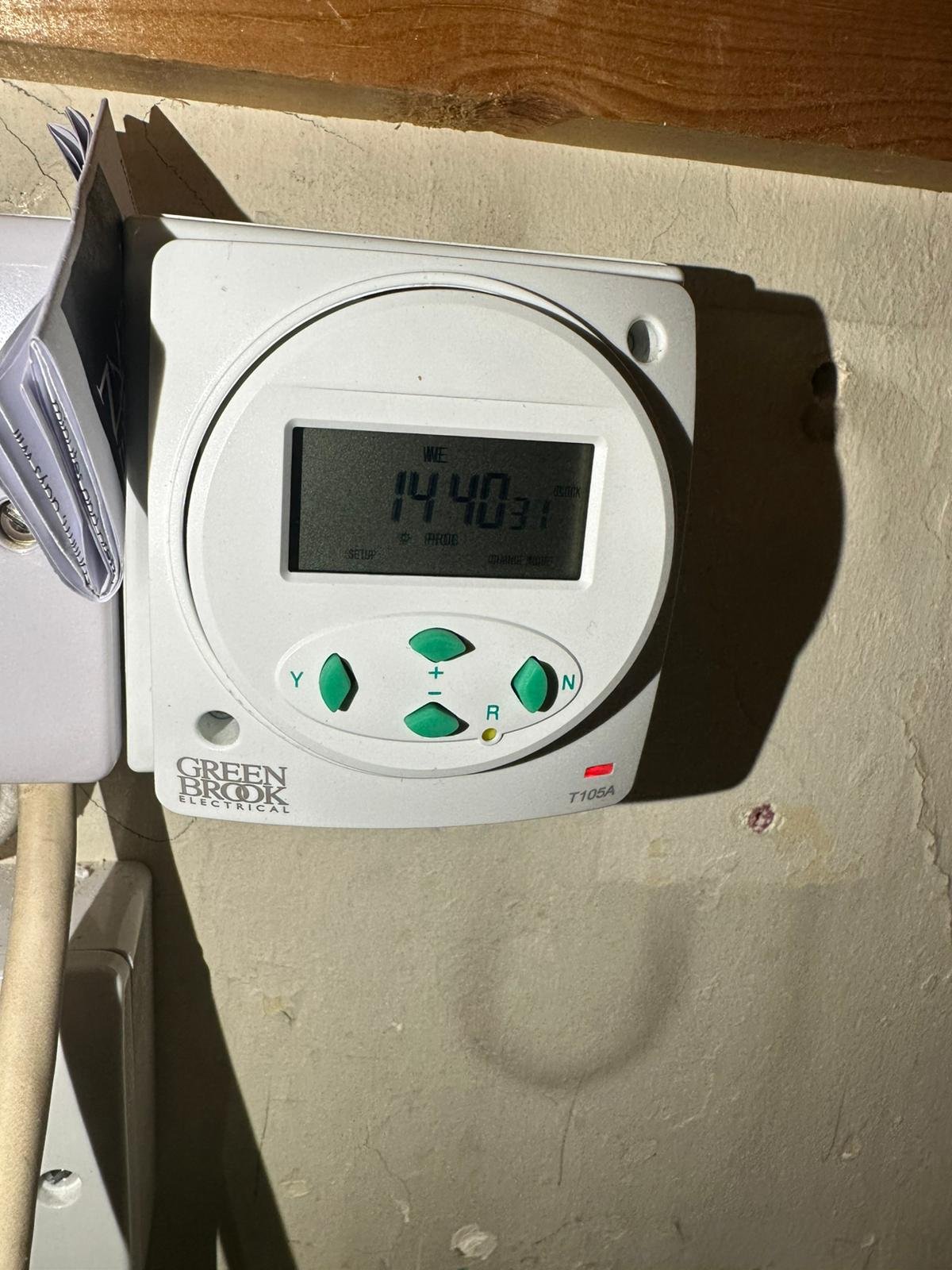
Time switch and older control gear being checked during an inspection
Older equipment is not automatically unsatisfactory; condition, protection and connections decide the code

If your report has come back unsatisfactory and you want it put right, or you need an EICR booked anywhere in Sussex, call EICR Pro on 0333 360 8583 (the line is answered 24 hours a day) or email info@eicr-pro.co.uk. Every quote is itemised before any work starts.

Call 0333 360 8583

This article is general guidance; the coding of any individual observation is always the judgement of the inspector on the day.

Leave A Message