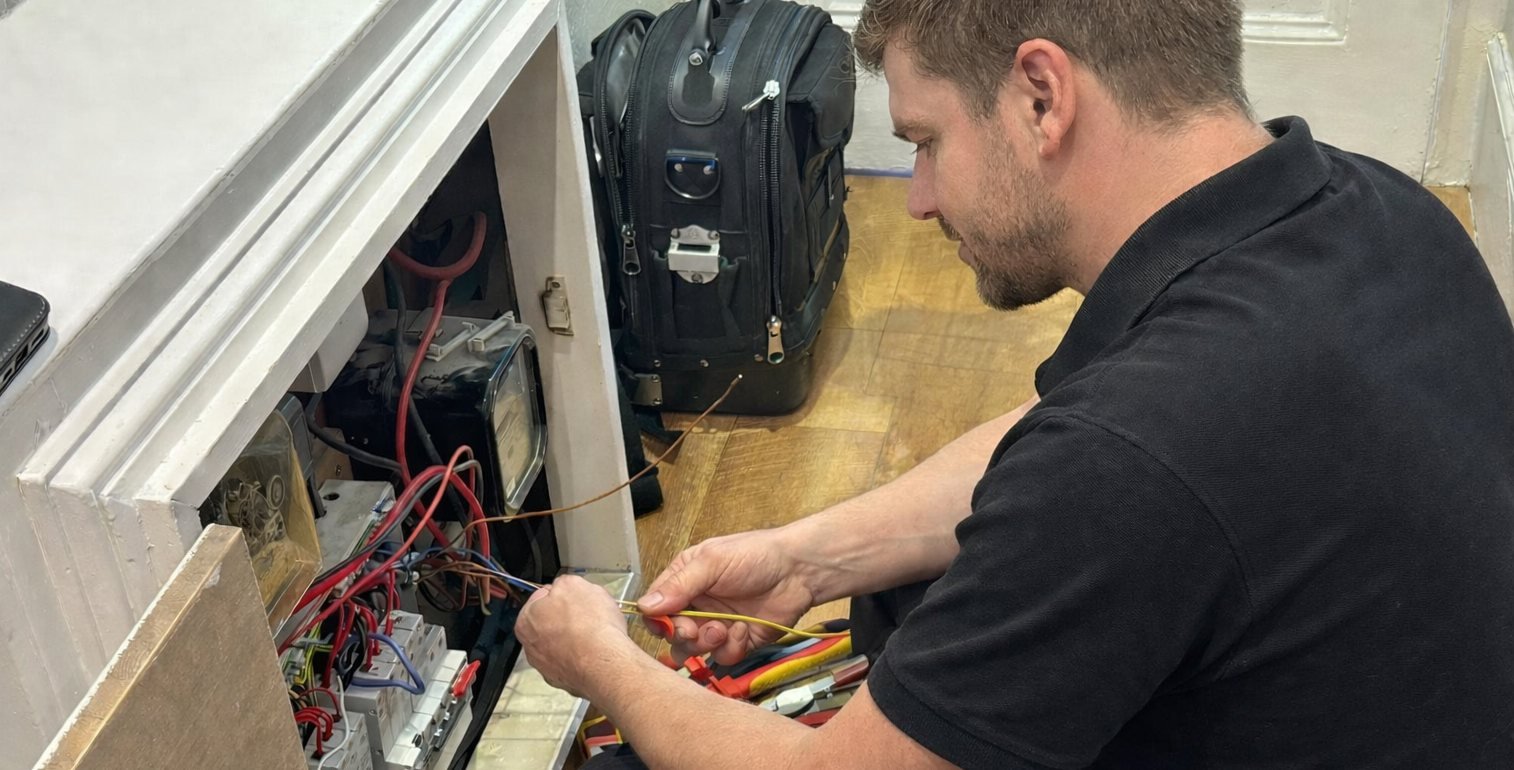
Landlord Certificates
The full five-year cycle handled: inspection, tenant and council copies, and the reminder before it lapses.
Rented property carries the strictest electrical duties there are, and houses in multiple occupation sit at the top of the pile, where a current satisfactory EICR is a licensing condition and the council will ask to see it.
Book HMO testingEvery rented home in England needs its installation inspected and tested at least every five years under the 2020 PRS Regulations, with a satisfactory report held, copies to tenants within 28 days, and a copy to the council within seven days of a request. For an HMO, the same duty is also woven into licensing: a lapsed or unsatisfactory certificate is not just a compliance gap, it puts the licence itself in question.
HMOs earn their stricter treatment honestly: more occupants, heavier use, more appliances per circuit, and communal areas nobody treats as their own. Inspections in shared houses also collide with real life (five tenants, five schedules), which is why we coordinate access room by room rather than expecting the whole house empty.
The full landlord picture (deadlines, copies, remedial timescales) lives on our landlord certificates page; everything there applies here, plus the licensing layer.
We keep certificates in date across multiple properties and handle the tenant and council copies that follow each one.
General guidance only, not legal advice. Confirm your own duties with your local authority.
The full five-year cycle handled: inspection, tenant and council copies, and the reminder before it lapses.
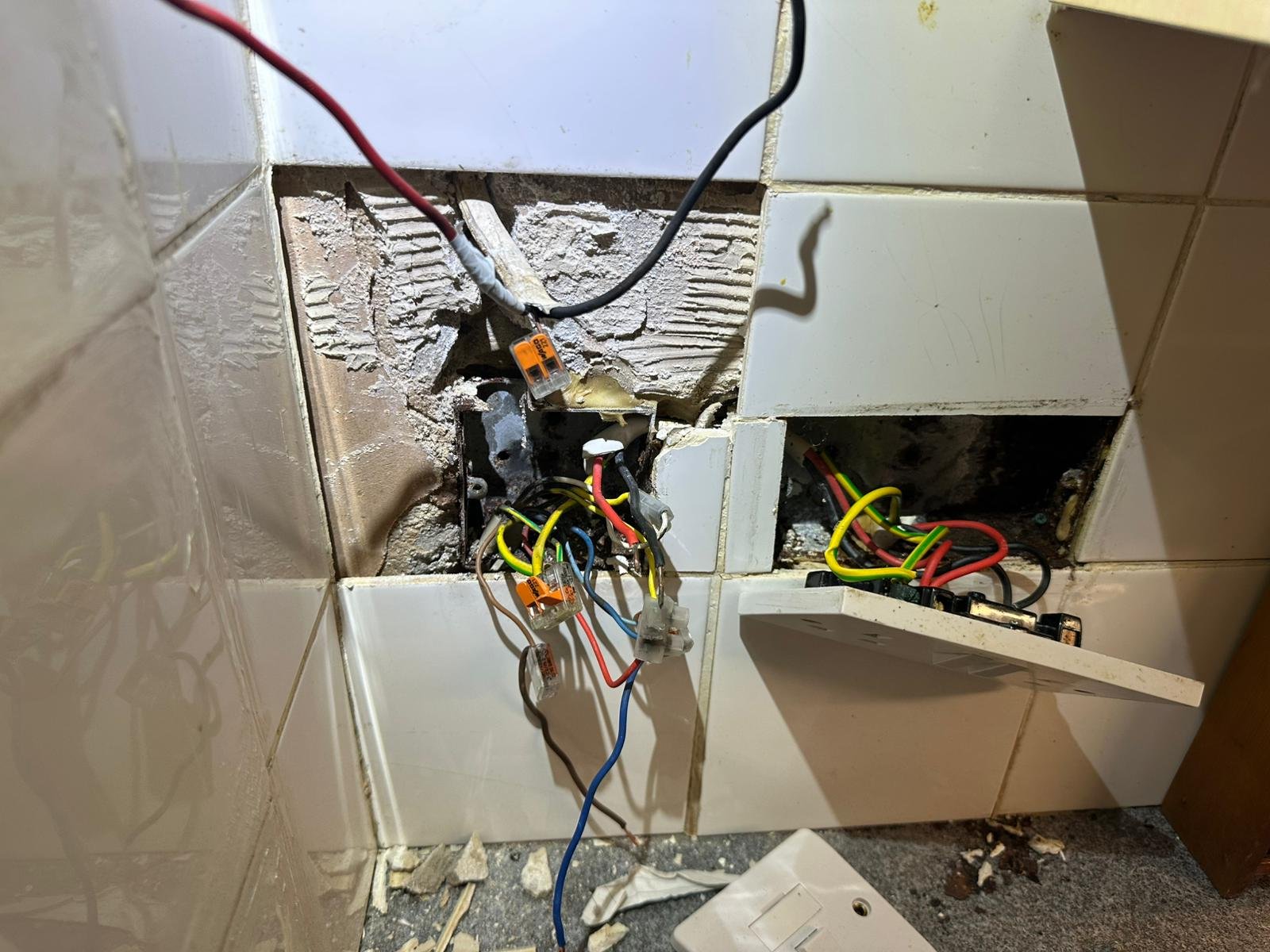
C1, C2 and FI observations cleared inside the 28-day window, with written confirmation for the council.
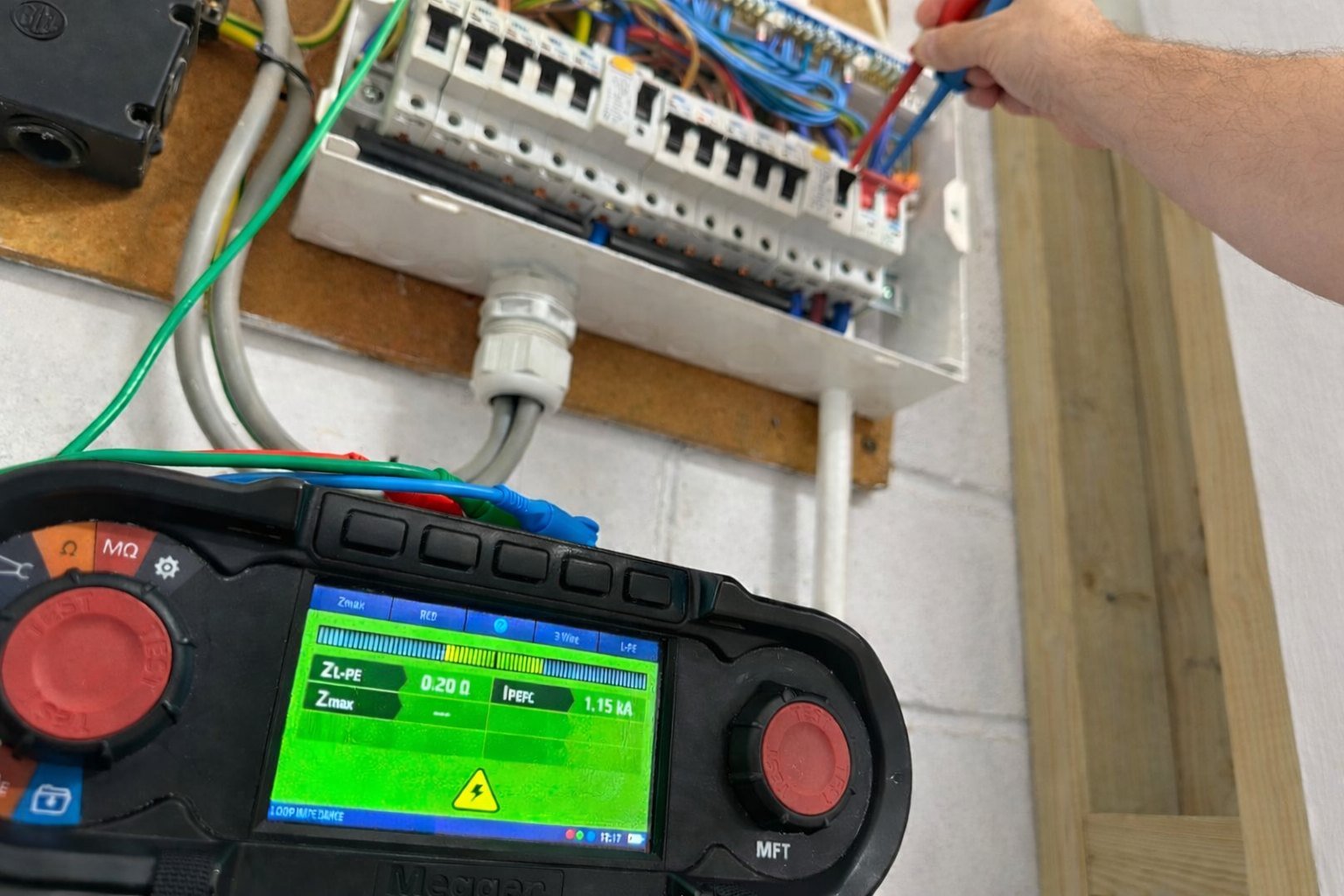
What actually happens on the day, useful for warning tenants what to expect.
One HMO or a street of them: send the addresses and certificate dates and we will map the renewals with a fixed price for each.
Talk to a specialist