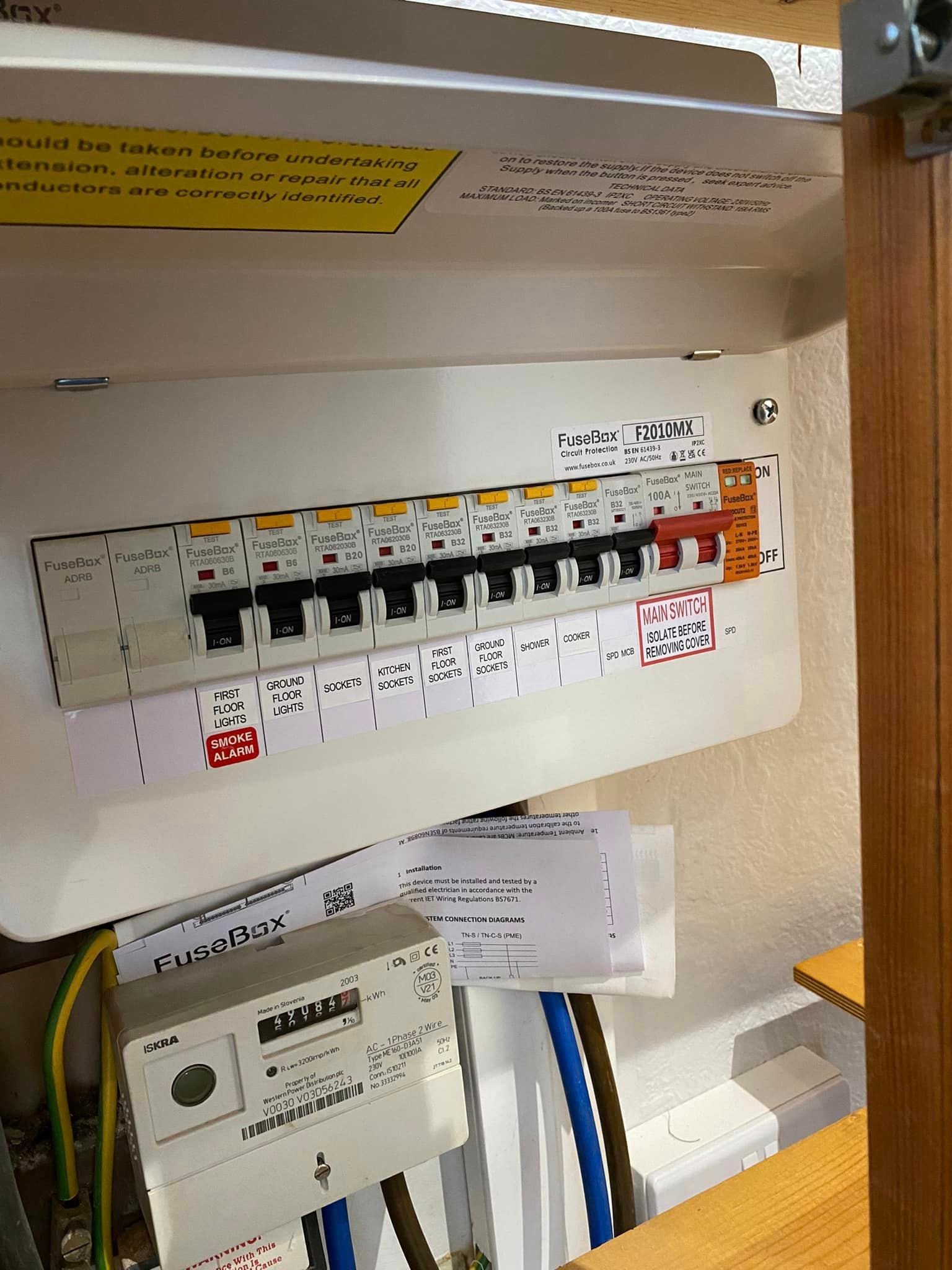
Consumer Unit Replacement
An old plastic or rewireable board swapped for a modern non-combustible enclosure with every circuit protected and clearly labelled: the single upgrade that clears the most observations at once.
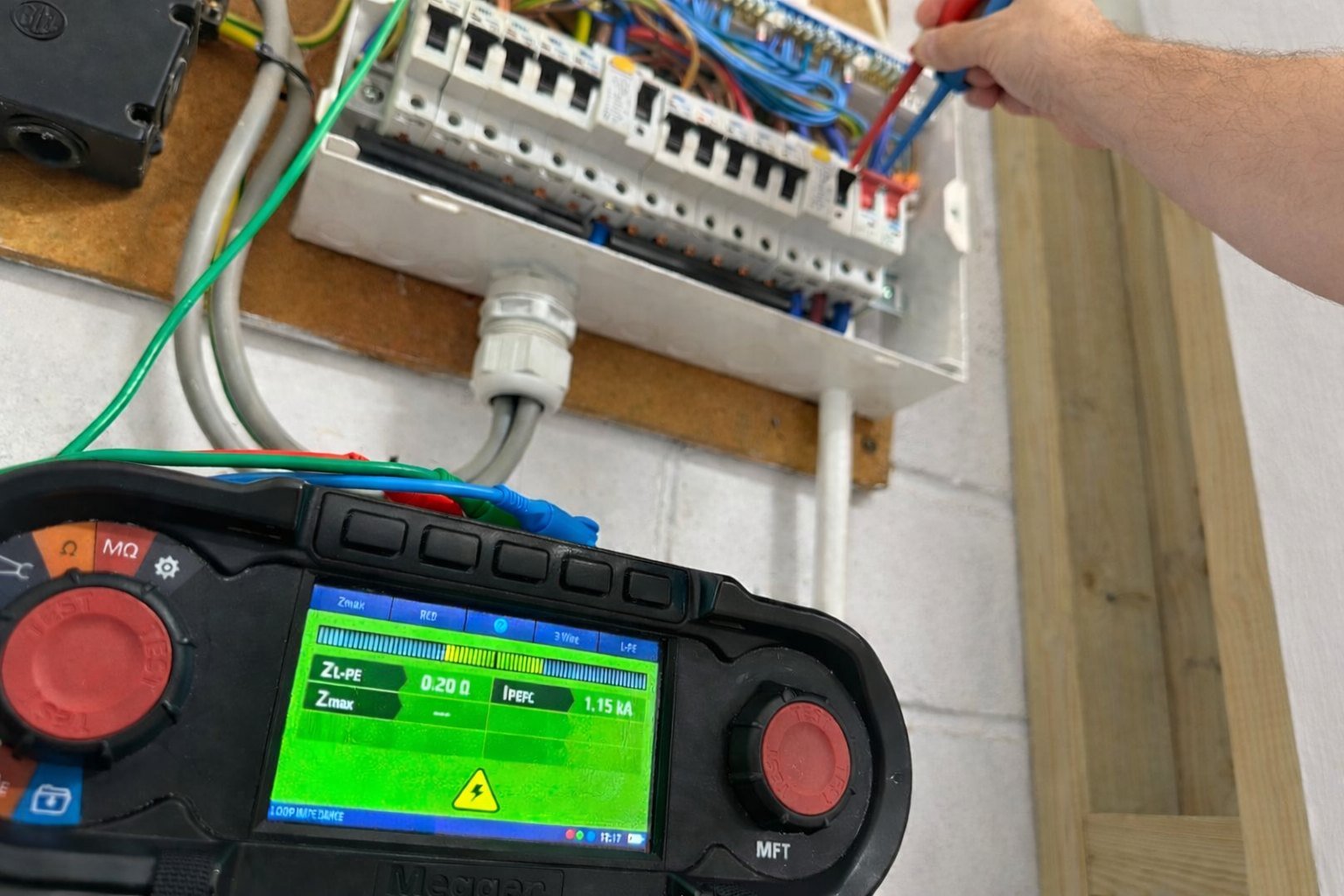
An unsatisfactory report is not a condemnation of your property. It is a list of specific, fixable items, and once they are cleared, you get the paperwork that proves the installation now meets the required standard. Here is how that happens, and what the common fixes are.
Send us your reportAnything presenting immediate danger was already made safe during the inspection, with your permission, and recorded as such. What follows afterwards is a paper trail as much as a repair job: each step below produces something you keep.
Which observations carry C1, C2 or FI (the ones the report's outcome turns on) and which are C3 recommendations that do not have to be acted on. If another contractor wrote the report, send it over and we will price against it just the same.
Each line of the quote is priced against the observation it clears, so you can see exactly what is being fixed and why. C3 items are quoted separately as options: often cheapest to do while we are already there, but never smuggled into the required work.
Work is sequenced so anything potentially dangerous is dealt with before cosmetic or advisory items, and the power is only off circuit by circuit, the same as during the inspection.
Lifting floors, opening accessories or replacing a board sometimes uncovers issues the inspection could not see. When that happens the work pauses and we price the addition before touching it: a variation you agreed to, not a surprise on the invoice.
The remedial work itself is certificated (a Minor Electrical Installation Works Certificate or an Electrical Installation Certificate, depending on the scope), together with written confirmation that the observations have been cleared. The original EICR is not rewritten: it stands as the record of what was found, with the remedial certification alongside it.
An old plastic or rewireable board swapped for a modern non-combustible enclosure with every circuit protected and clearly labelled: the single upgrade that clears the most observations at once.
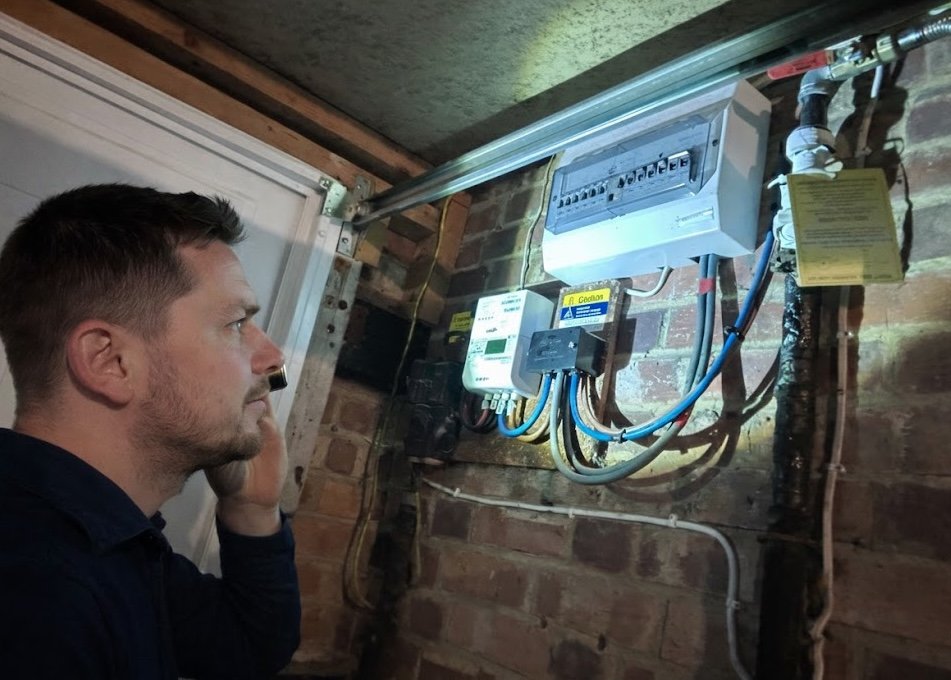
Adding 30 mA protection for socket circuits, cables buried in walls and bathroom circuits: the most common single reason an older installation comes back unsatisfactory.
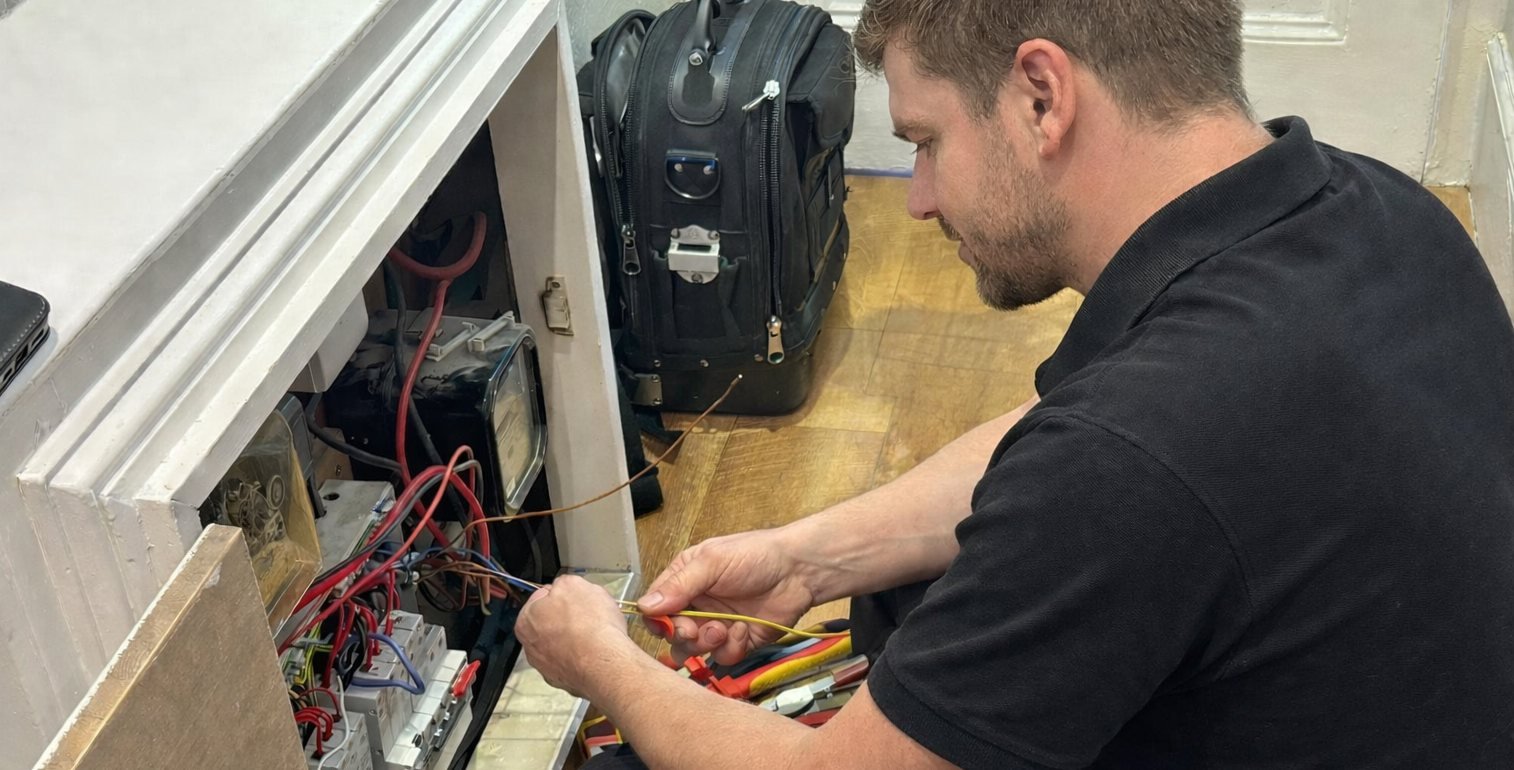
Correctly sized bonding conductors to the incoming gas and water services, and earthing arrangements verified and improved where the measured values require it, frequently missing in older homes.
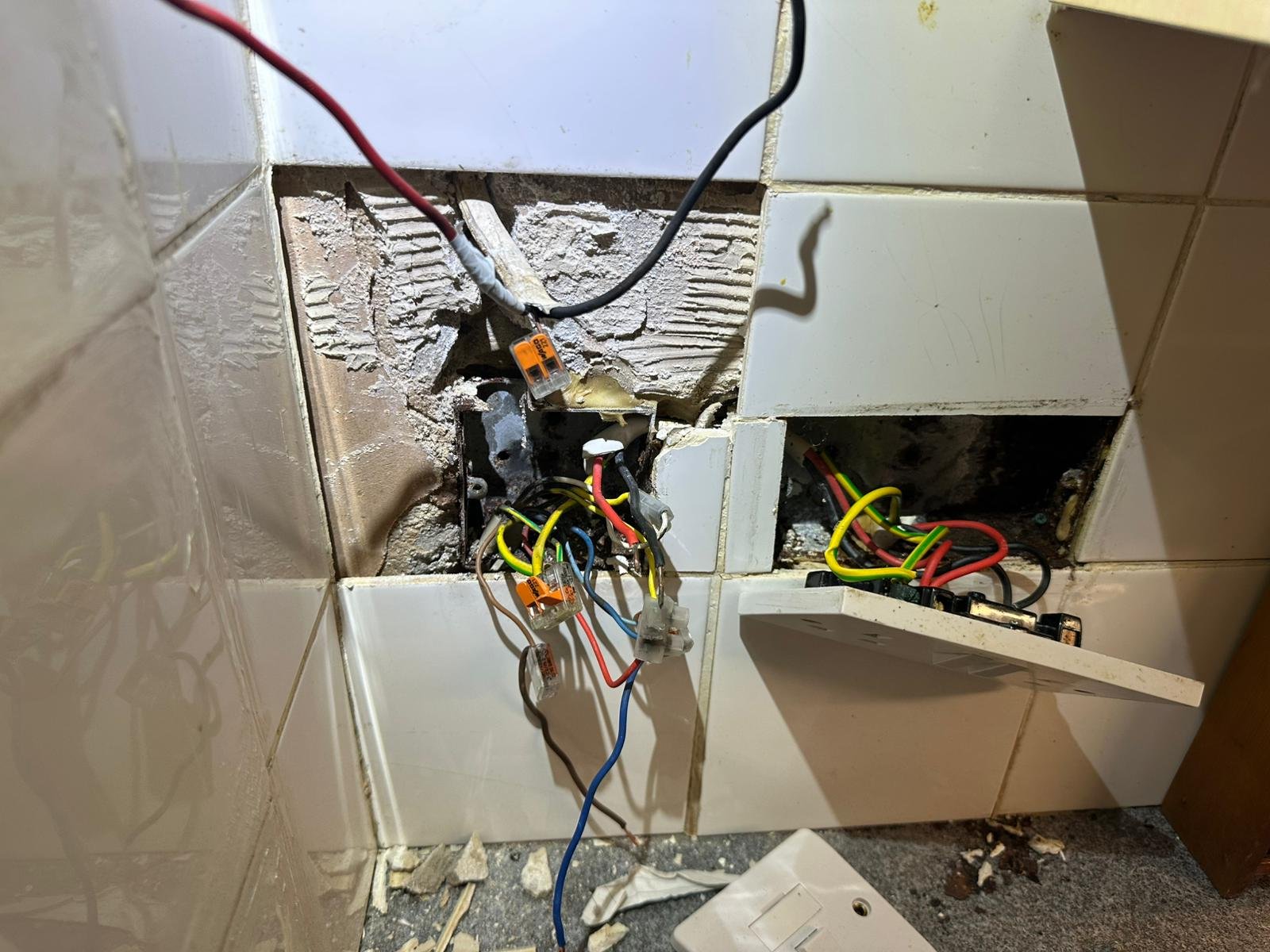
Cracked, scorched or loose sockets, switches and connections replaced, and overheated terminations remade: small jobs individually, but the kind of finding that makes a report unsatisfactory.
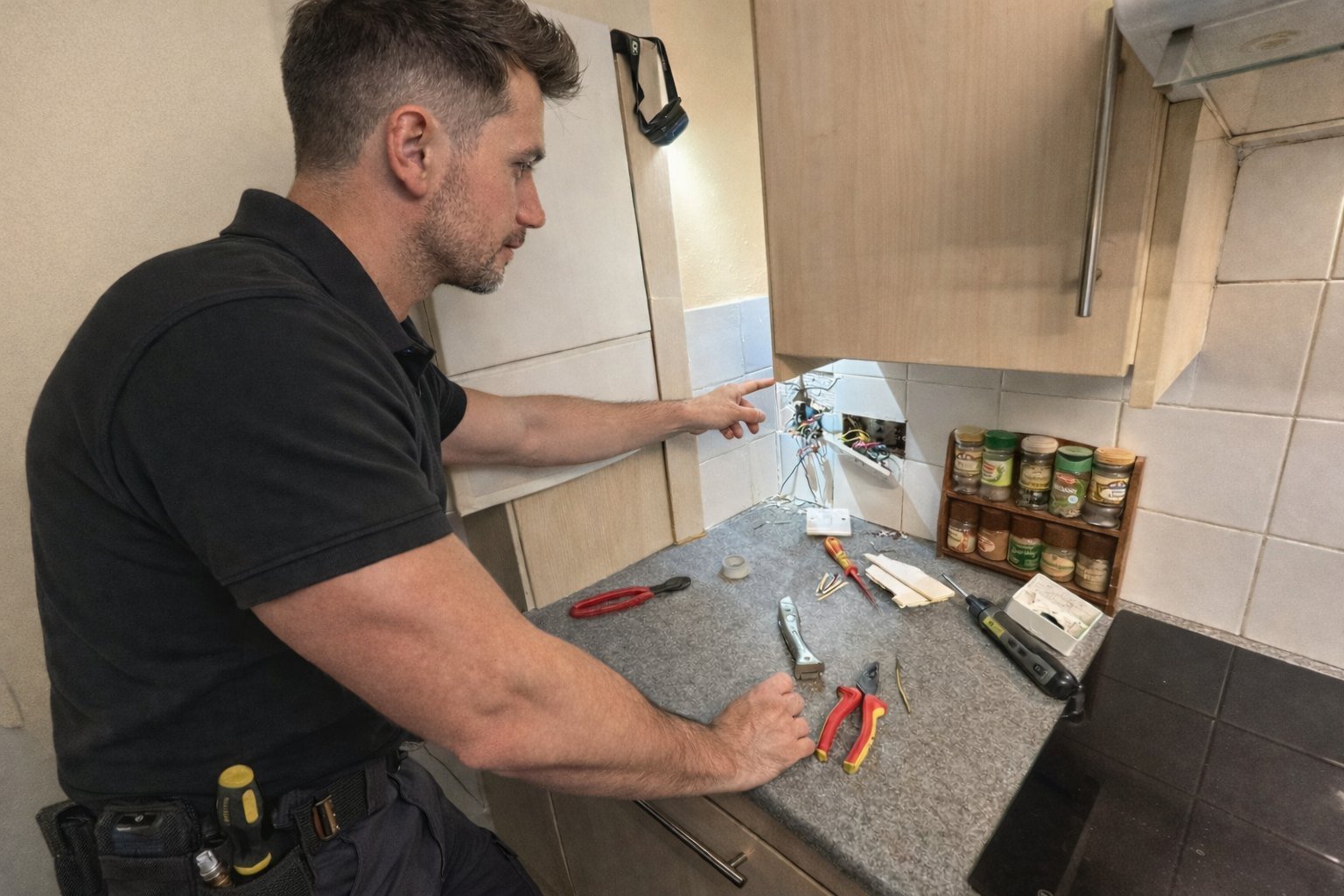
Undersized cable, borrowed neutrals and unsafe DIY alterations put right, and proper circuit separation reinstated, usually the work behind the report's more puzzling observations.
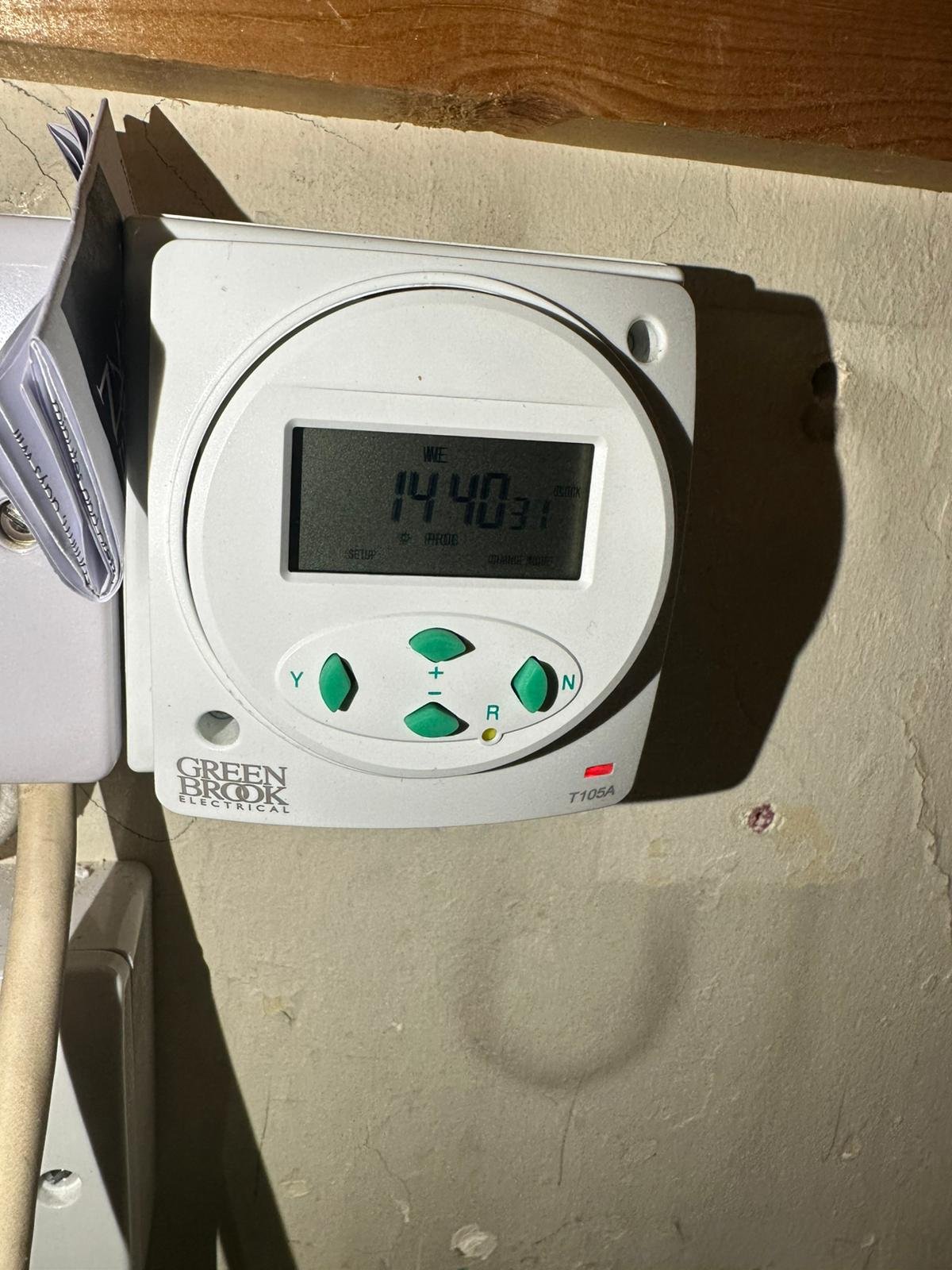
A surge protective device where the current edition of BS 7671 calls for one, plus circuit charts, labelling and the small improvements usually recorded as C3 recommendations.
Ours or anyone else’s. We quote line by line against each observation before any work starts, so you can see exactly what is being fixed.
People often expect the original report to be corrected once the work is done. That is not how it works, and you would not want it to be. The EICR stands as the honest record of what was found on the day. What changes is what sits alongside it: certification for the remedial work, and written confirmation that the items driving the unsatisfactory outcome have been cleared.
Together, those documents are what a letting agent, a local authority, an insurer or a future buyer actually wants to see: not a clean report, but a found-and-fixed trail with dates, signatures and test results behind it.
Keep everything. The schedule of test results from the remedial certificate becomes the baseline the next inspection is measured against, and a complete paper trail is the difference between a five-minute renewal and an argument.
C1, C2 and FI observations drive the outcome; C3 items are recommendations. Send the report over and we will separate the two for you.
General guidance only, not legal advice. Confirm your own duties with your local authority.
Got an unsatisfactory report, ours or anyone else's? Send it over and we will tell you plainly what needs doing, what can wait, and what it will cost before we start.
Talk to a specialist