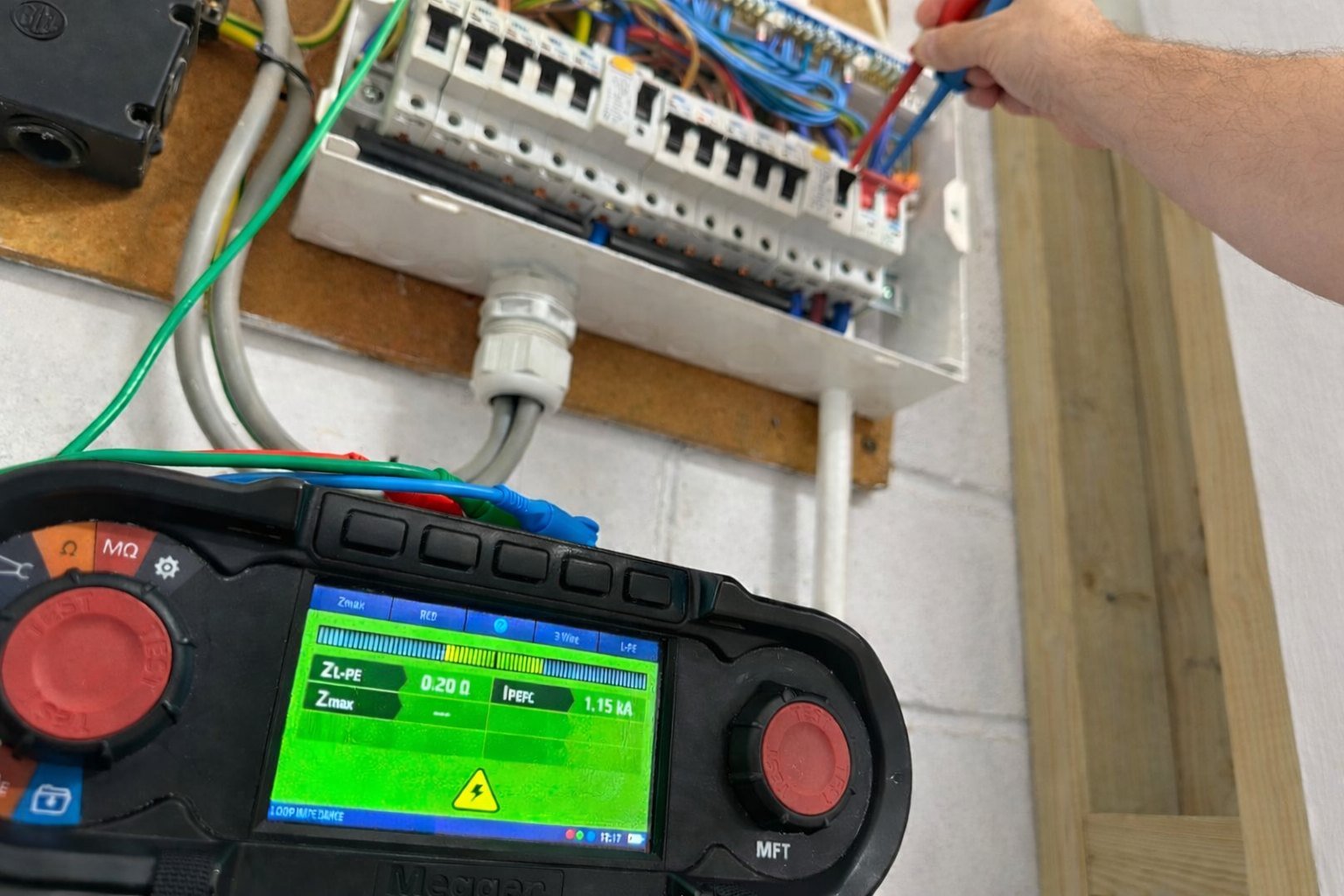
EICR First
The inspection that tells you whether a rewire is needed at all, and how much of one.
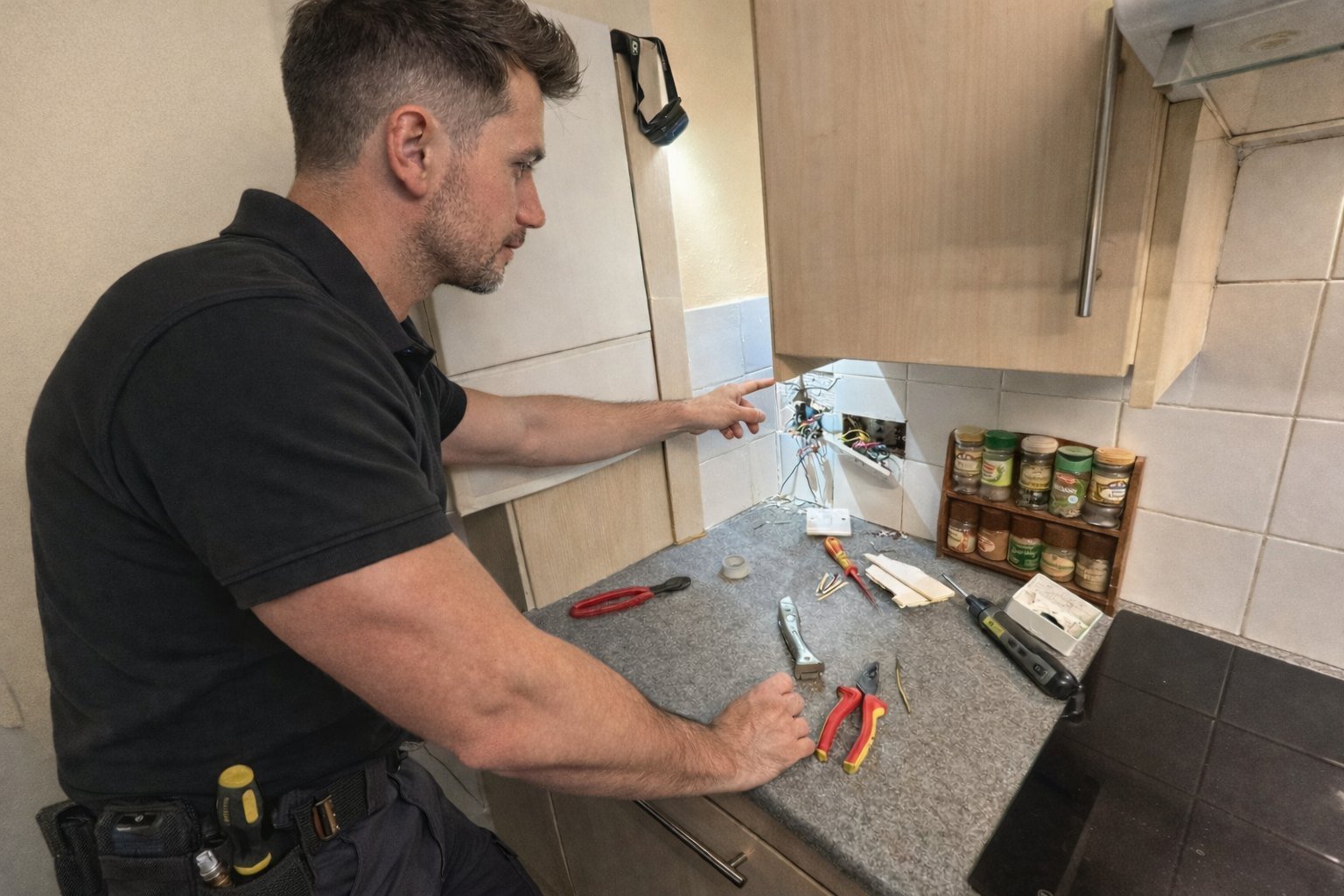
A rewire is the biggest electrical job a property ever has, and the one where honesty up front matters most. Here is when it is genuinely needed, how we run it room by room, and the certification that comes out the other side.
Get a rewire quoteAge alone does not condemn wiring; the decision follows an inspection, not a guess. But some findings point firmly towards replacement: rubber- or fabric-insulated cable whose insulation has gone hard and cracks when disturbed, lighting circuits with no earth anywhere on them, or an installation so altered over the decades that nobody can say what feeds what.
A rewire can be full (every circuit replaced, usually with a new consumer unit) or partial, replacing the circuits that need it while sound ones stay in service. Partial rewires are common alongside extensions, loft conversions and kitchen refits, when walls are already open.
The right first step is almost always an EICR: it tells you with test results, circuit by circuit, what actually needs replacing, which is frequently less than feared.
An EICR or survey establishes what genuinely needs replacing, so the quote covers what the installation needs, not a worst-case guess.
Circuits, socket positions and lighting planned with you, priced in full before work starts, with the certificate included.
New cable goes in, and we are honest about this part: floors come up, chases go into walls, and there is dust. Working room by room keeps the rest of the house liveable.
Accessories, fittings and usually a new consumer unit, with every circuit landed on modern protection.
Every circuit is tested before it is energised, and the job is handed over with its Electrical Installation Certificate and schedules, the paperwork a future buyer's solicitor will ask for.
An inspection tells you circuit by circuit what genuinely needs replacing, which is frequently less than feared.
The inspection that tells you whether a rewire is needed at all, and how much of one.
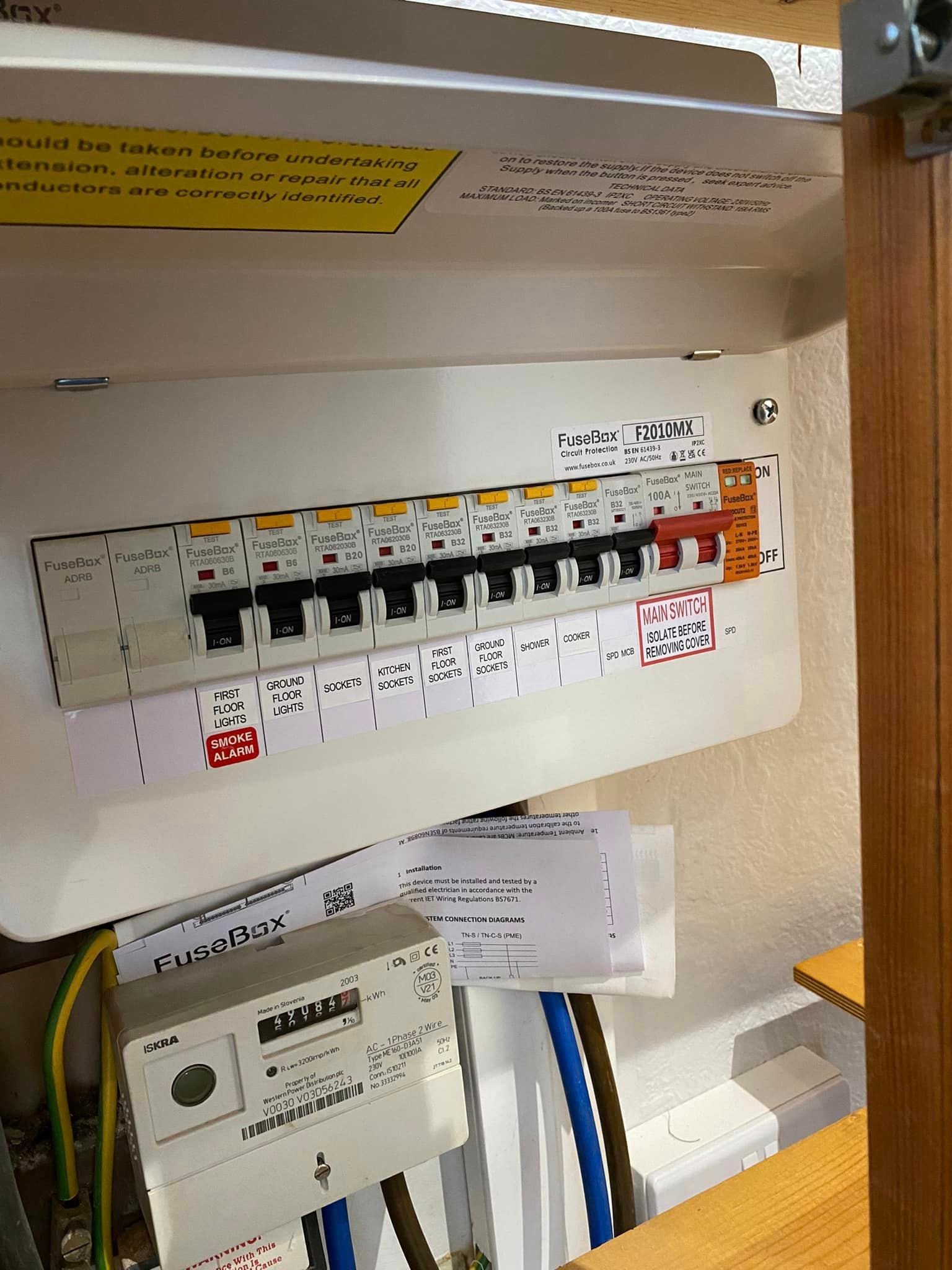
Almost every rewire ends at a new board; sometimes the board alone is the answer.
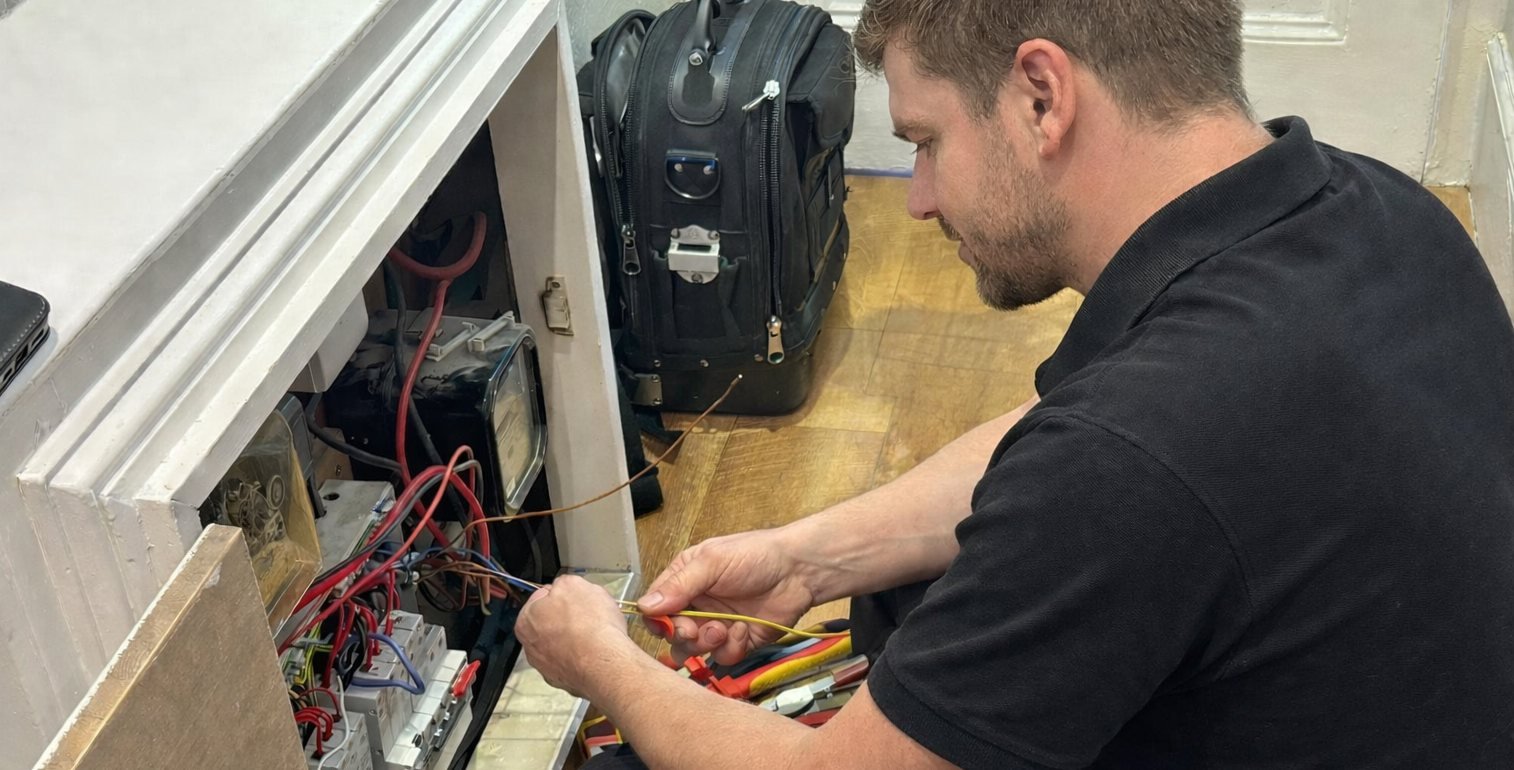
What an EIC covers, who signs it, and the Building Regulations side: all handled as part of the job.
Rubber or fabric insulation that cracks when disturbed points to replacement; test results, not age, tell us which circuits actually need new cable.
Worried the house needs a rewire? Start with the inspection: it is the cheapest way to find out you might not.
Talk to a specialist