The rule itself is easy to state. The detail sits in the deadlines: when copies must reach your tenants and the local authority, and what you must do, and by when, if the report comes back unsatisfactory. This article walks through all of it in plain terms.
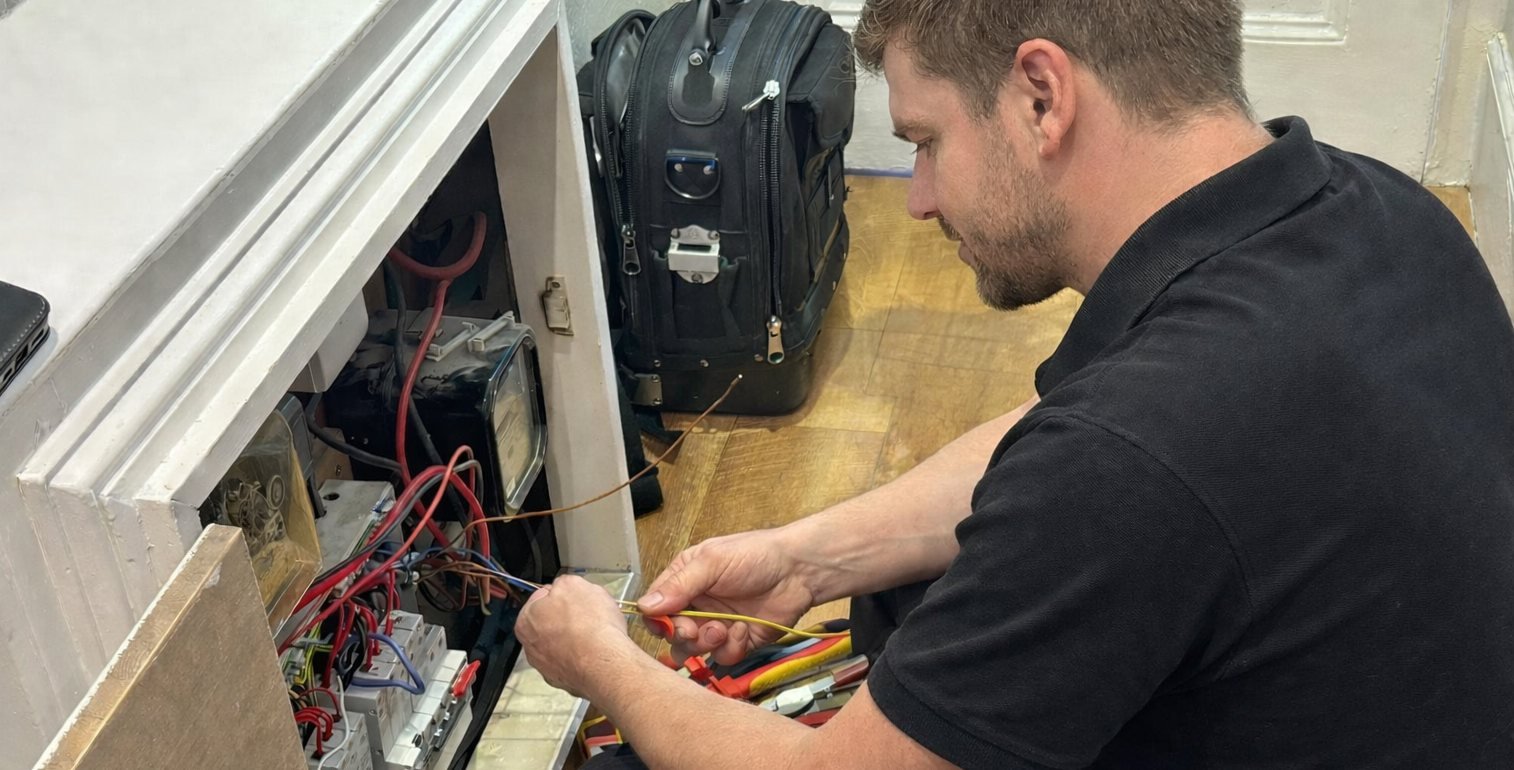
The 2020 Regulations apply to privately rented homes in England. As the landlord, you must have the fixed electrical installation (the wiring, consumer unit, sockets, switches and light fittings) inspected and tested by a qualified and competent person at least every five years. The inspector works to the current edition of BS 7671 (the wiring regulations) and issues an Electrical Installation Condition Report, the EICR.
The report is either satisfactory or unsatisfactory; there is no pass or fail. A report is unsatisfactory if it records a C1 (danger present, immediate risk), a C2 (potentially dangerous, urgent remedial action required) or an FI (further investigation required without delay). A C3 is an improvement recommendation only; a report with nothing worse than C3s is still satisfactory.
Five years is the maximum interval, not a guarantee. If the inspector recommends a shorter interval on the report, that shorter date is the one you must work to. And if the property is a licensed HMO, be aware that licensing conditions can add requirements on top of the regulations. Check what your local authority's licence actually says rather than assuming the five-year rule is the whole story.
One useful exception: a brand-new installation (a new build, or a full rewire) comes with an Electrical Installation Certificate (EIC) rather than an EICR. That certificate covers you for the first five years, so your first EICR falls due five years from the date on the EIC. Keep the certificate safe; it is your evidence.